HALO Systems
The HALO platform consists of five primary components that work together to deliver intelligent home automation and life orchestration. Each system serves a specific purpose while coordinating with others to create a cohesive ecosystem.
For a broader view of how these pieces fit together, see the Architecture overview.
Nexus: Infrastructure Platform
Nexus serves as the infrastructure foundation that powers the HALO ecosystem. It hosts all core services including ingress routing, database storage, message brokering, workflow automation, metrics monitoring, and provides the runtime environment for Home Assistant, Omnia API, Frigate, and Zigbee coordination. Nexus handles orchestration, network isolation, data persistence, and secure access for the entire platform.
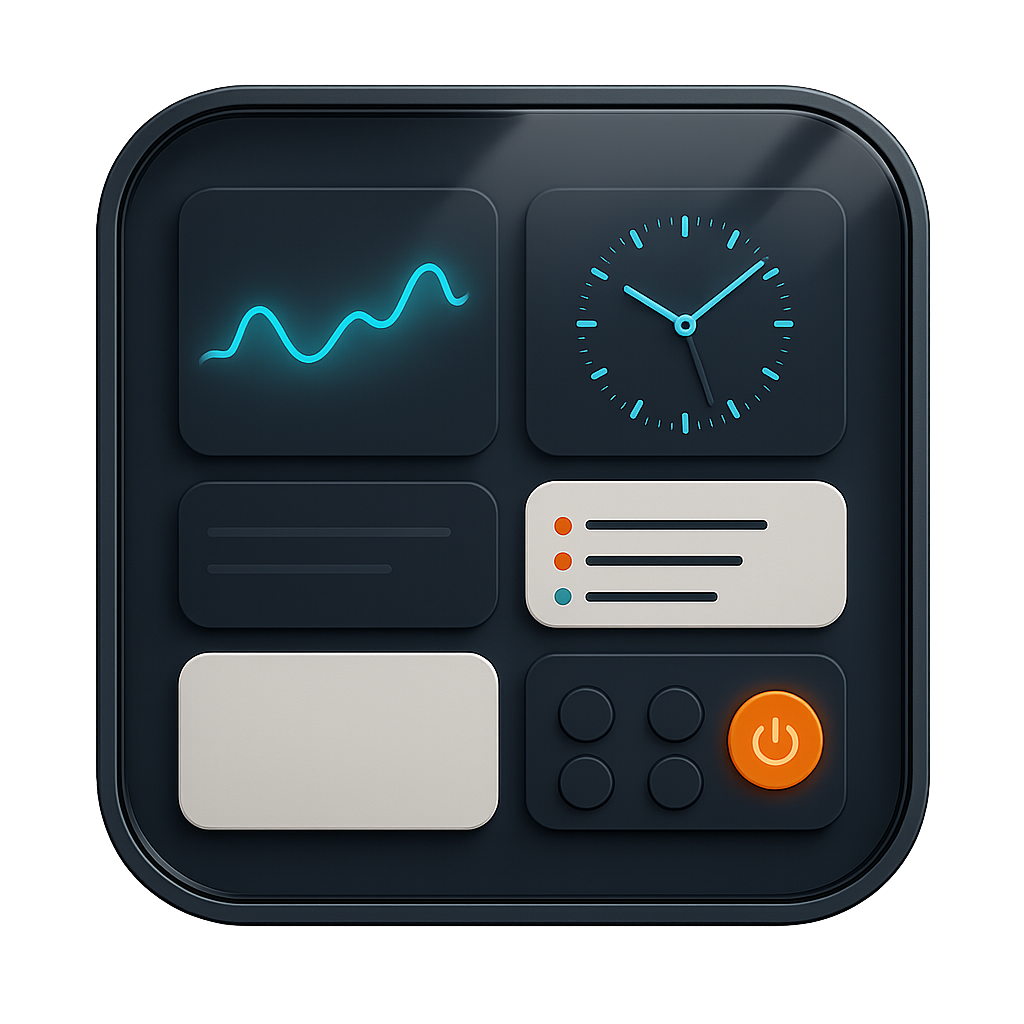
Omnia: User Interface Layer
Omnia provides the dashboard interface for interacting with HALO across tablets, wall displays, and mobile devices. The system consists of two components: Omnia Screen, a React-based frontend with dynamic widget loading—and Omnia API, a backend service managing widget configurations, user profiles, and data persistence. Widgets communicate with backend workflows through REST APIs and WebSocket connections proxied by Traefik, enabling real-time updates and responsive interactions. The widget architecture enables runtime feature loading without application redeployment.
Apollo: AI & LLM Workloads
Apollo is a separate hardware system dedicated to AI and large language model processing. Running as an independent machine with dedicated GPU resources, Apollo provides natural language understanding, intelligent reasoning, and LLM orchestration capabilities through tool calling to Home Assistant, Frigate, and n8n workflows. The service supports both local models and cloud APIs, managing context tracking, conversation memory, and multi-system coordination. Apollo transforms simple voice or text commands into complex orchestrated operations across all HALO systems.
Home Assistant: Device Control
Home Assistant serves as the smart-home automation platform, running as a containerized service on Nexus and managing all physical devices, scenes, and automations. The system integrates with Zigbee2MQTT for Zigbee device coordination, MQTT for event messaging, and provides comprehensive device control through REST and WebSocket APIs. Home Assistant acts as the foundation for all physical device interactions within HALO, offering mature integration with thousands of device types while configuration remains version-controlled in the HALO monorepo.
Frigate: Security & Computer Vision
Frigate provides AI-powered security camera monitoring with real-time object detection, running as a containerized service on Nexus with Google Coral TPU acceleration attached to the host. The system processes video feeds from Reolink cameras, identifies people, vehicles, and other objects, and publishes events to MQTT for integration with Home Assistant and n8n workflows. All processing occurs locally ensuring privacy while maintaining the performance needed for real-time security monitoring.